
Buying guides
How to Evaluate a Kids’ Underwear Supplier Before Your First Order
Start with one named product and a written buying brief. Compare the supplier’s role, the specification, the order unit and the evidence behind each claim. A low minimum or an attractive catalogue photo is useful, but neither settles what will be supplied.
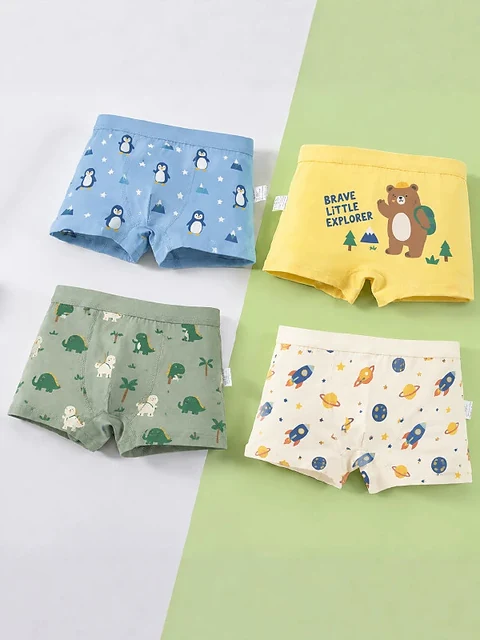
An existing LULUNIO boys’ set. Use its product link and listed specification as the starting reference for an enquiry; the photo is not a test report.
Who is taking responsibility for your order?
Ask which business will issue the quotation and receive payment, who handles sampling and quality questions, and which production steps are completed directly or through partners. Keep the answers with the company and contact details used for the order. A factory photograph alone does not answer those questions.
For LULUNIO, begin with the company information and then send the selected product references. Request any additional business or production evidence needed for your purchasing process. A statement on a website and a document checked for your order are different kinds of evidence.
Compare evidence using the same questions
| Buying question | Evidence to request | What remains open |
|---|---|---|
| Which product and quantity? | Product reference, included designs and sets or individual pieces | Whether the quoted assortment matches your list |
| Which fabric and fit? | Composition, garment measurements and selected sample | Fit and wash behaviour until checked for that product |
| Which claims need proof? | Any required report, its product scope and issuing details | Whether it covers the actual item and your market |
| Who handles production and changes? | Named contact, agreed specification and sample version | Responsibility for unresolved changes |
| What is included in the offer? | Currency, price basis, packing, freight and dispatch milestone | Excluded charges and estimated arrival date |
Give each shortlisted supplier the same brief. Record a missing answer as an open item rather than turning it into a favourable score. The table below is a buying worksheet, not a supplier ranking.
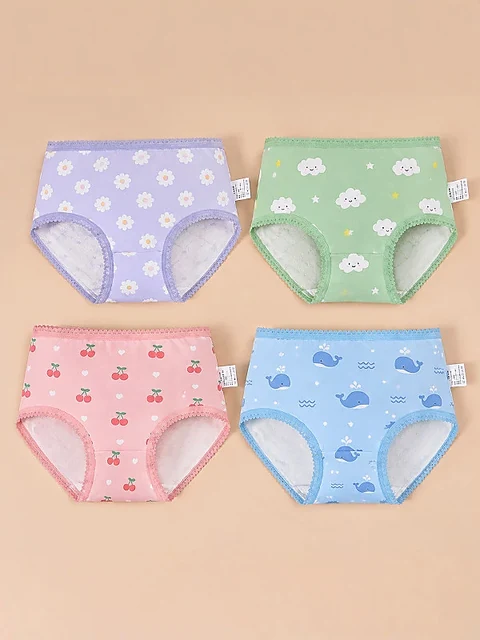
An existing LULUNIO girls’ brief set. Catalogue photos identify the offered assortment; a custom development still needs its own approved sample.
Read LULUNIO’s order units before comparing minimums
Ready stock starts at 1 set, with 4 garments in a set. OEM/ODM starts at 100 individual underwear pieces. Those minimums count different units. The shared ready-stock reference of US$10 for 3 sets is not a separate fixed quote for every product or a price for custom development.
Current catalogue specifications list 95% cotton, 5% elastane and height references of 100–140 cm. Check the selected listing, then request the garment measurements and sample you need. Fibre composition does not establish certification, antibacterial performance or a guaranteed fit.
Use the quote comparison guide to align costs and units. For a custom project, use the sample approval guide to record what has actually been accepted before production.
Send one enquiry that a supplier can answer
For example: “We are preparing a first wholesale order for our shop. Here are the product links, requested heights and quantities in sets. Please confirm availability, the full quotation and an estimated dispatch date to our destination.” This is an enquiry example, not a completed customer order.
For private label, add your artwork, requested changes and individual-piece quantities. Keep unresolved specifications on the same list. When the reply comes back, compare it with your brief instead of choosing on the headline minimum alone. Discuss your supplier questions with LULUNIO and attach the references you want reviewed.