
Buying guides
Cotton or Cotton–Elastane Kids’ Underwear? A Fabric Specification Buyers Can Verify
Put the composition you require in the enquiry, then record how the approved sample should behave in use. Cotton percentage, fabric construction, stretch and recovery describe different things. State whether your requirement applies to the body fabric, the lining or the whole product. The selected item and the material record should refer to each other.
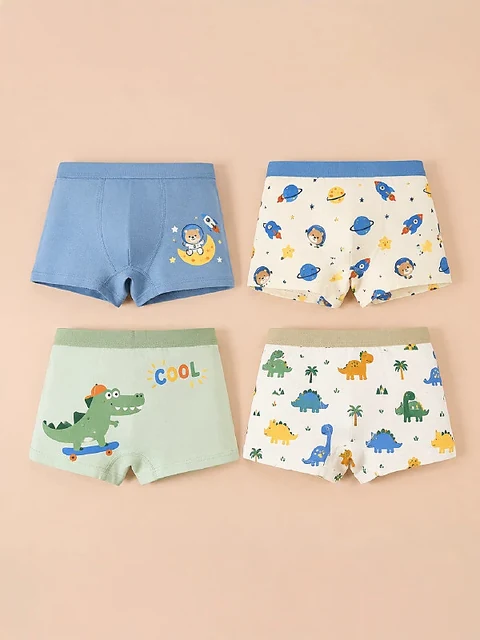
This LULUNIO product picture identifies the set discussed. Use the product specification for the declared composition instead of judging fibre content from a photo.
Make the percentage and the component explicit
Sometimes a buyer uses “cotton” to describe a soft feel. A product listing may need a precise percentage instead. If the body must be 100% cotton, say so up front. For a cotton blend, ask the supplier to identify the balance of fibres by name and proportion. Check whether the waistband, lining or other components use a different material.
LULUNIO’s current catalogue material is 95% cotton and 5% elastane. Use that composition when discussing the listed items. A request for 100% cotton or another blend is a separate specification. Send it for a feasibility discussion before using the requested composition in a product listing.
Write a fabric brief that can travel with a sample
| Field | Request or record | Reason |
|---|---|---|
| Body fabric | Fibre names and percentages for the selected item | Keep the material claim tied to the garment |
| Other components | Separate composition or pending details for lining and elastic | Avoid treating the body description as a full bill of materials |
| Fabric construction | Supplier’s description and sample reference | Compare feel and performance on a named fabric |
| Care and hand feel | Expected handling and agreed sample observations | Tell the supplier what you want to see after washing |
If you have a sample your customers already know, describe its behaviour and where it matters. For example, you may want the leg opening to return close to its resting shape after handling. Give the supplier that objective alongside the fibre requirement. Two fabrics with a similar composition can feel different because of their construction, finish or weight.
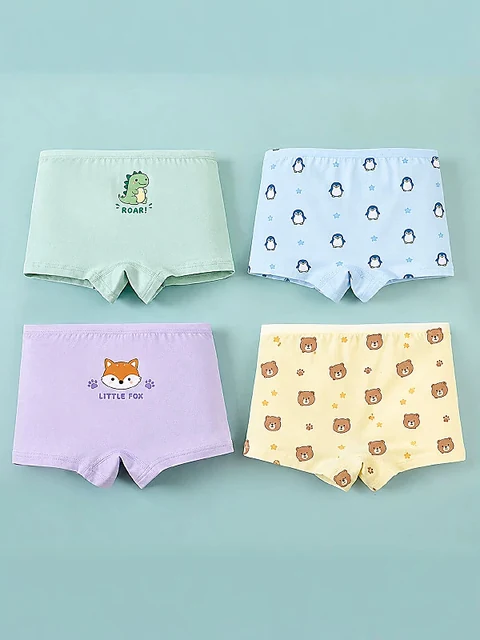
A second catalogue style can help distinguish the items on your enquiry. Keep observations and sample references attached to their individual styles.
Record observations before and after care
| Observation | Before checking | What to keep |
|---|---|---|
| Stretch and recovery | Agree where to inspect and let the sample rest between checks | Sample ID and a note about the direction and result |
| Size change after wash | Measure the same marked garment points and record the wash conditions | Before/after readings and the care method used |
| Surface and seams | Inspect the inside and outside under consistent light | Photos of the exact area and any change |
Lay the garment flat, mark the points you want to compare, and write down the care cycle. Repeat the readings on the same garment after it dries and rests. If one result matters to acceptance, agree a measurement method and limit before approving production. A home sample check records your observation; a fibre claim or a requirement for a particular test report needs its own evidence.
Keep notes about feel concrete. Describe the area that concerns you, such as a noticeable ridge at the leg opening. A general comfort impression cannot support an allergy claim or prove that another batch will behave the same way.
Tie the approved sample to later material decisions
Write the supplier’s material reference next to the style and sample identifier in the order record. Ask which changes would require a new sample or a revised composition statement. Where the order covers more than one style, check the composition against each style before using one description throughout your shop.
Start with the LULUNIO catalogue or indicate the body and component composition you want assessed. Add the height range, style reference and any care or sample requirement. Use the sample approval checklist to record which findings are accepted and which still need written confirmation.
Questions about cotton and cotton blends
Does LULUNIO list pure cotton as its current catalogue material?
The confirmed catalogue composition is 95% cotton and 5% elastane. Ask separately if your proposed order requires 100% cotton.
Can I estimate elastane content by stretching a sample?
Stretch is an observation about that sample. Ask for a composition statement linked to the fabric reference if the percentage matters to the order.
Should I check both the waistband and the body?
Yes, if both matter to your specification. Name the components separately so the supplier can confirm the relevant materials and construction.
Does a cotton percentage establish suitability for sensitive skin?
No. A composition percentage alone does not verify a health claim. Discuss construction and material requirements and check the supplied evidence for any separate claim.