
Buying guides
Build a US and EU Kids’ Underwear Size Crosswalk From Garment Measurements
Keep the retail market label, supplier height reference and garment measurements in separate columns. Select and measure samples before assigning a US or EU label. The same height reference can produce a different fit across cuts and fabrics.
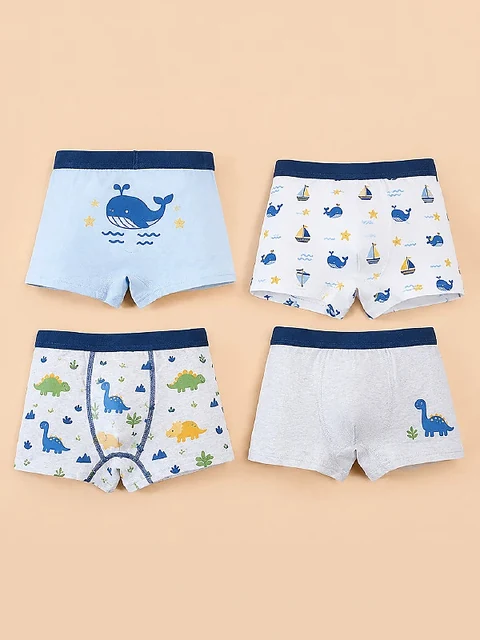
The catalogue image shows an existing LULUNIO style. Ask for separate documentation for any material or certification claim.
Define what your size label means
Start with the size chart your shop actually uses. Note whether each label is based on age, height or specific body dimensions. Preserve your labels as reference text in the order sheet and tell the supplier which country or shop chart they belong to.
A height printed on a supplier chart is a body-size reference. Compare it alongside the product’s own guidance and the measured garment. Avoid substituting the number on one chart for a width or length.
Make a crosswalk you can test
| Column | Example of an entry | Verify |
|---|---|---|
| Retail label | Buyer’s own US or EU label | Intended body range from your chart |
| Supplier reference | 120 cm catalogue height, when available | Chart for the chosen item |
| Garment measurement | Flat waist using marked points | Method, sample version and actual value |
| Decision | Pending or approved | Who approved the mapping and when |
Choose a middle size and the edges of the intended range. Request samples from the specific cut, then record the relaxed waist, leg opening and length using the same marked measurement points. Enter your retail label only after looking at the recorded fit.
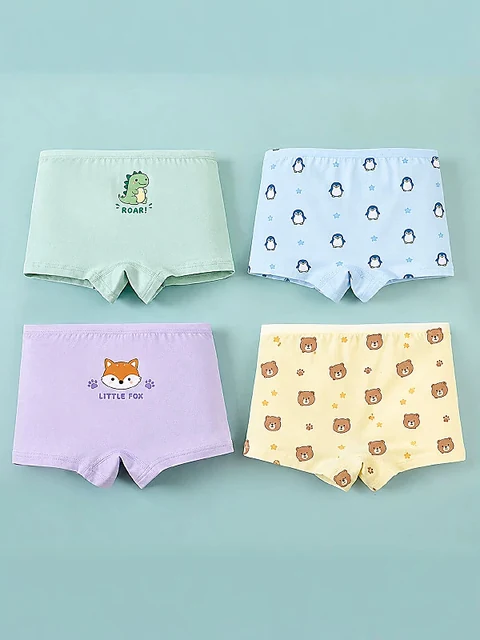
Use the second catalogue reference to identify the product line in your enquiry.
Cross-check each style and each pack
| Where mistakes happen | Record | Corrective decision |
|---|---|---|
| Body height copied as garment length | Separate source columns | Replace with actual measurement |
| Age label differs across retail charts | Store each market chart and version | Approve against your chosen chart |
| Two styles use one pack label | Check style-specific size data | Approve or split the pack labels |
Use the same process for briefs and boxer briefs, keeping separate rows when the size measurements differ. Review size progression after any change to fabric, elastic or pattern. Before printing packing labels, check that the inner garments and pack carry the same approved mapping.
Apply the process to the LULUNIO item
The current LULUNIO catalogue uses height references from 100 to 140 cm. Choose a product and send the US or EU size chart you want to use with the intended fit and quantity by label. Use the garment measurement sheet to keep the sample and proposed size labels aligned.
Buyer questions
Does 120 cm always equal one US age size?
Use your target market chart and verify the selected garment measurements.
Can I transfer a briefs mapping to boxers?
Check the cut and measurements independently before sharing the label.
Which samples should I request first?
Choose a middle reference and the ends of your planned range when practical.
How do I prevent pack-size mix-ups?
Use the approved mapping ID on the order, pack artwork and final approval sheet.